What it is
Texograph is a meme engine that draws instead of generates.
You type a scene, and the system retrieves hand-drawn parts, builds a scene graph, lays everything out, and renders the result as a deterministic pencil sketch. No diffusion model, no GPU, no waiting.
Core loop
text -> retrieval -> scene graph -> layout -> render
The interesting part is not the drawing alone. It is the reasoning step that decides what should appear, what should connect, and how the scene should still read as a coherent picture.
Why I built it
I wanted something small at first, but I kept running into the same problem: if you want a system that feels visual and playful, image generation is not always the right abstraction.
Sometimes you do not want a generated image. You want a system that lets language assemble a little world.
What makes it different
- Deterministic output for the same phrase
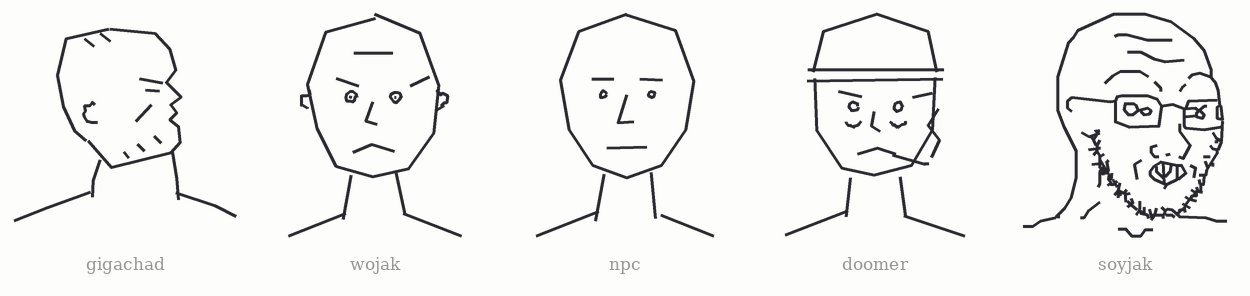
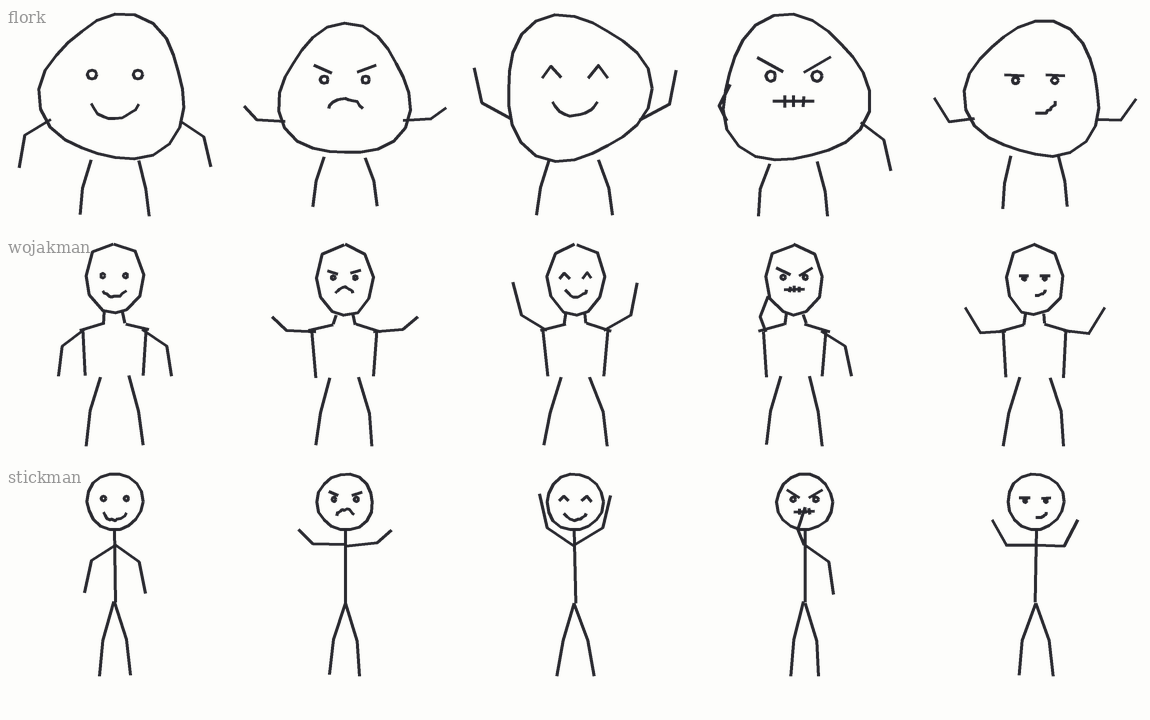
- Retrieved human sketches instead of generated pixels
- Scene graphs instead of flat prompts
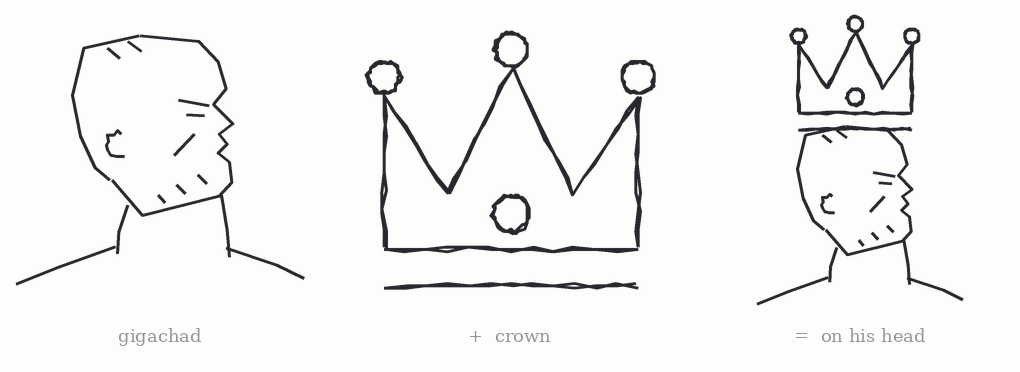
- Blend operators that can fuse two concepts into one
- Semantic classes so parts land where they should
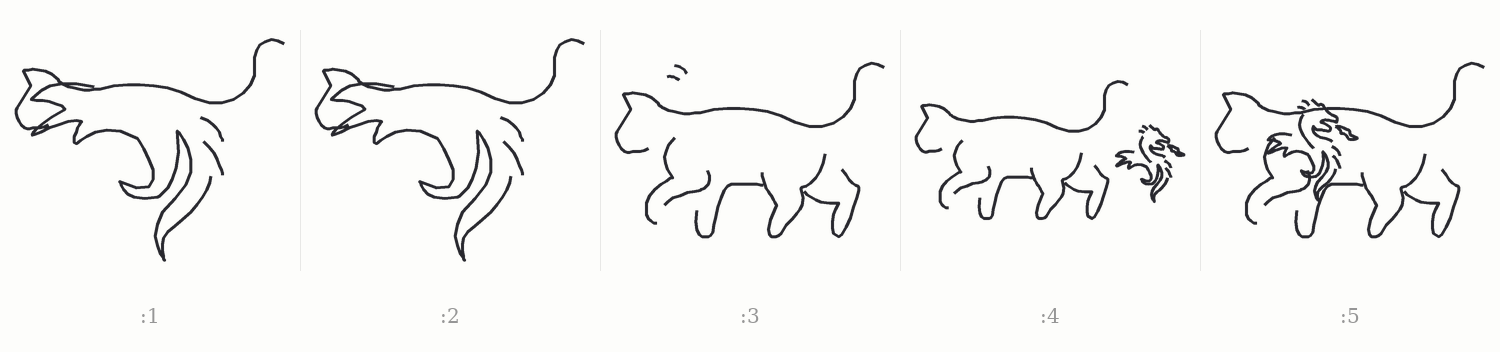
The image set
What broke along the way
The usual stuff, plus a few annoying ones:
- file sync issues from OneDrive
- speech bubbles eating the next character
- blends that turned into mush
- a security check that was not really a security check
- analytics that mostly counted my own development loops
Where it sits now
Texograph can already draw scenes, blend concepts, stage comics, and export animated sketches.
You can find it at texograph.com.
The project is still about the same idea it started with: language should be able to arrange a visual scene, not just ask for one.
If you want the full write-up, see the blog post.